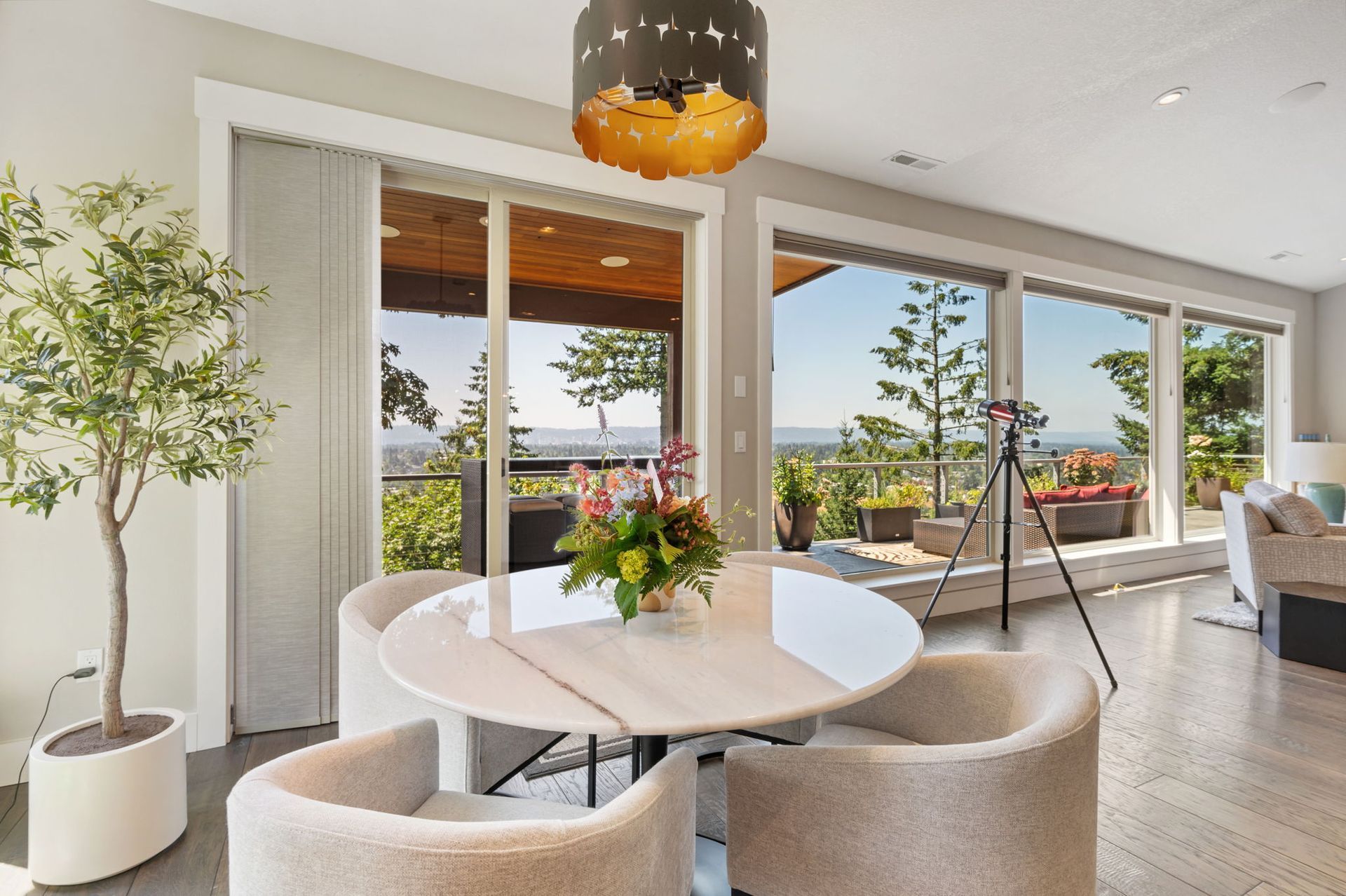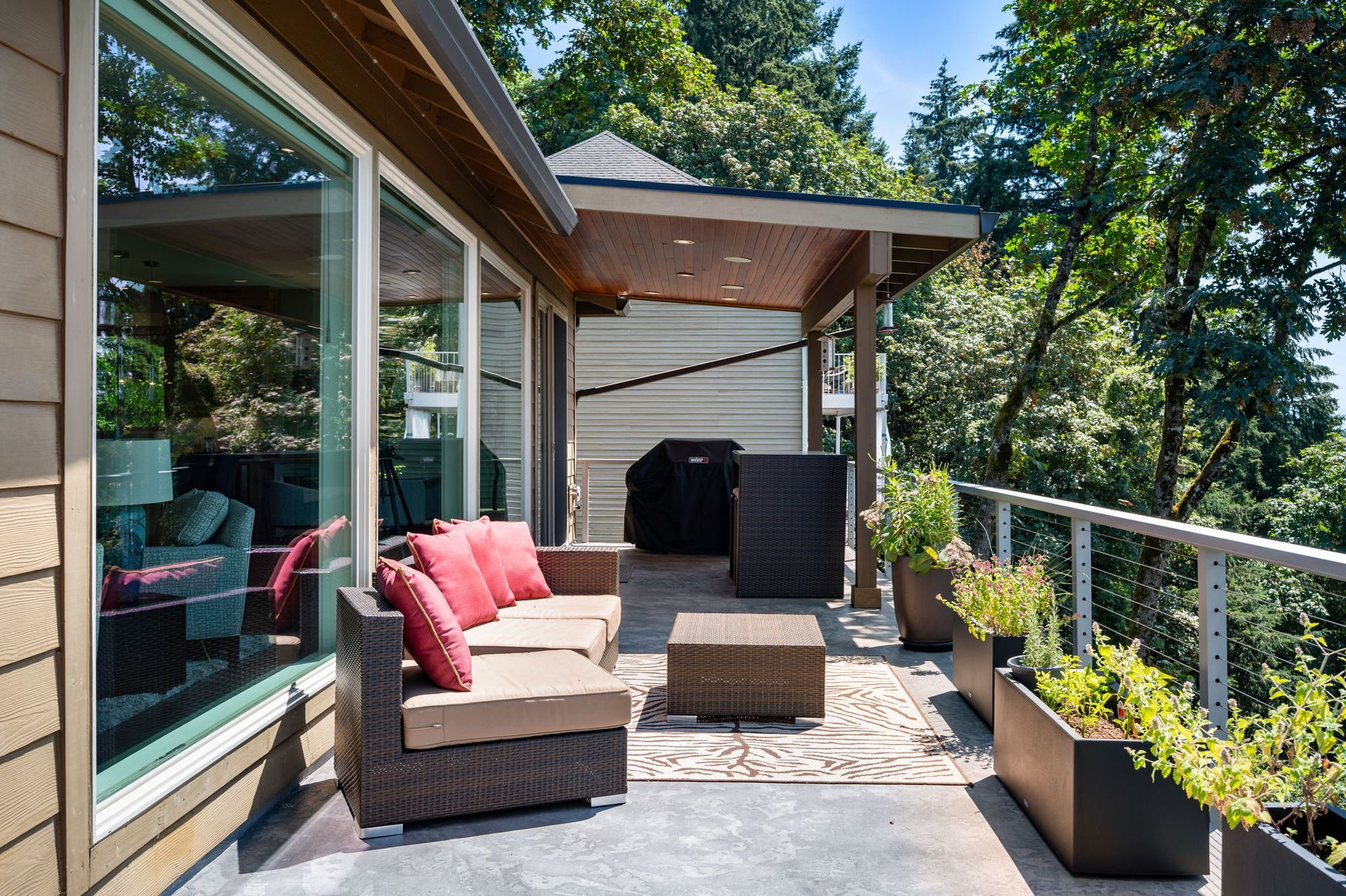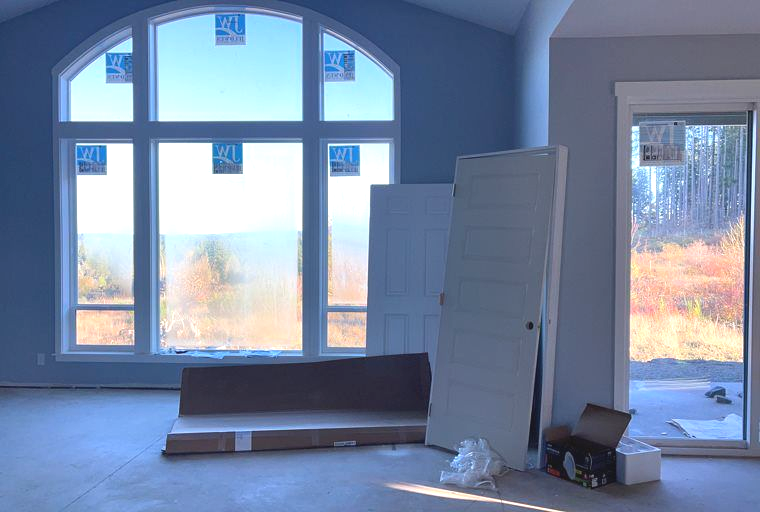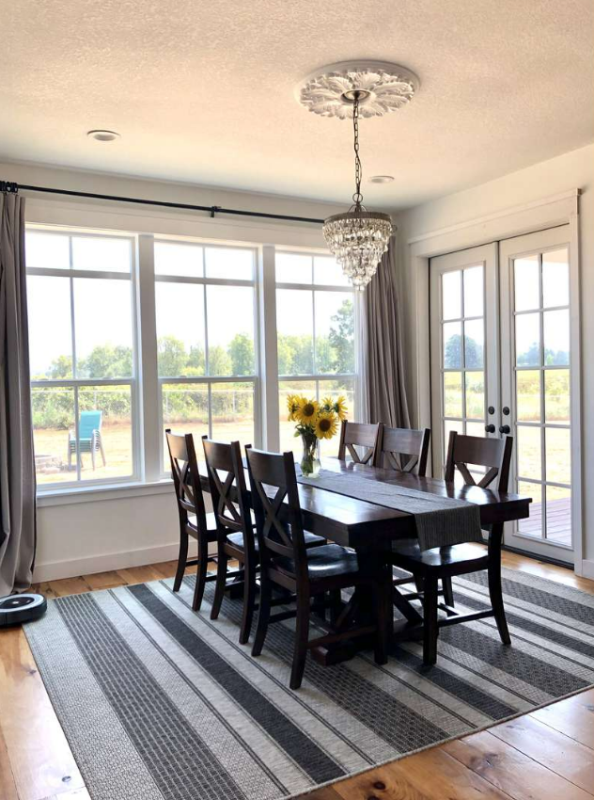
Efficiency starts at the window
New windows and doors can do much more than make your home look better. Today's high-performance products are designed to reduce heat transfer, limit drafts, improve comfort, and help your heating and cooling system work more efficiently.
In fact, ENERGY STAR estimates that replacing old, inefficient windows with ENERGY STAR-certified windows can reduce household energy bills by roughly 12–13% on average, depending on the home and climate.
But here's where we believe the real difference is made: installation.
Windows and doors are interruptions in your home's exterior weather barrier, making them some of the most vulnerable areas for water intrusion. If they're installed incorrectly, water can find its way behind the siding, into the wall cavity, and eventually lead to hidden moisture, rot and structural damage.
That's why we don't simply install a window and seal around the edges.
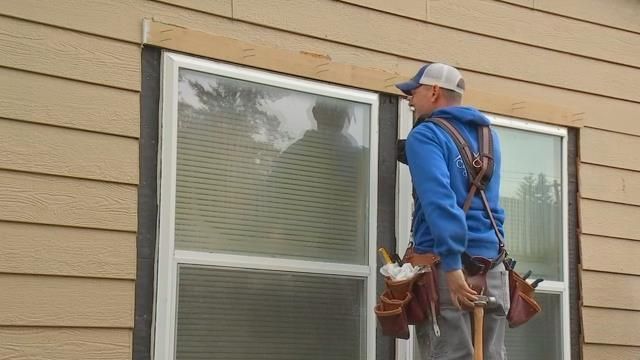
We pay attention to how water is supposed to move through the entire wall system. We use the right materials and follow a carefully sequenced installation process so that each layer works with the next—creating a drainage path that directs water out and away from your home, rather than trapping it inside your walls.
From sill pans and flashing to the integration of the window with the home's weather-resistant barrier, the details matter. Modern building science has given us better ways to manage water, air and energy—and we believe those methods should be part of every window and door replacement we perform.
Because a beautiful new window isn't much of an upgrade if the installation behind it creates a problem you'll discover years later.