Rot Repairs That Will Stand the Test of Time
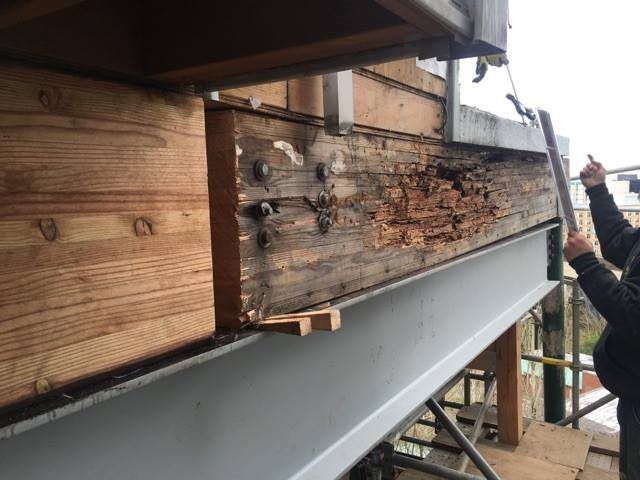
Rot damage doesn't always announce itself. Sometimes you'll see obvious damage. Other times, the first clue is something that just doesn't look quite right.
Here are some signs that moisture may be getting where it shouldn't:
- Soft, spongy or deteriorating siding
- Wood that feels soft when you press on it
- Bubbling, peeling or cracking paint
- Staining or discoloration around windows and doors
- Caulking that is cracked, separated or repeatedly failing
- Siding that is swelling, warping or pulling away from the wall
- Trim around windows or doors that looks damaged or deteriorated
- Water stains on interior walls or ceilings
- A musty smell or signs of persistent moisture
- Doors or windows that suddenly stick, bind or no longer operate normally
- Areas that seem to repeatedly need caulking or repainting
What You See Isn't Always the Whole Story
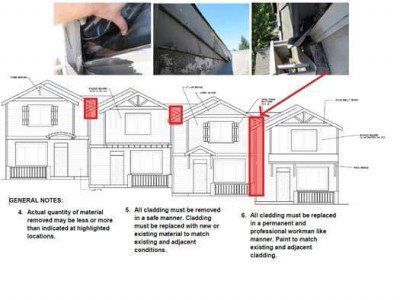
Water doesn't always stop where the damage is visible. When we find rot or signs of water intrusion, we may need to carefully explore the surrounding area to determine how far the moisture has traveled and how much of the underlying material has been affected. Sometimes the damage is limited to a small area. Other times, moisture has made its way behind the siding, trim or wall assembly and affected materials that you can't see.
We track the damage back to its source and follow it until we're confident we've found the full extent of the problem.
Our goal isn't to simply replace the piece of wood that looks bad and cover it back up. We want to understand why it happened, how far it went, and what needs to be corrected so it doesn't happen again.
Fixing the Damage — And the Reason It Happened
Once we've identified the extent of the damage, we remove deteriorated materials and repair the affected areas properly. If moisture has been present long enough to create conditions for mold growth, we address the affected materials appropriately rather than simply covering them up.
Then comes one of the most important parts: putting the building back together correctly.
We use current building-science practices, quality materials and properly sequenced flashing and water-management details to help direct water away from the home instead of into the wall assembly.
Because replacing the rotten wood is only part of the repair.
The real repair is correcting the path that allowed the water in. Preserving the integrity of your home is our top priority.
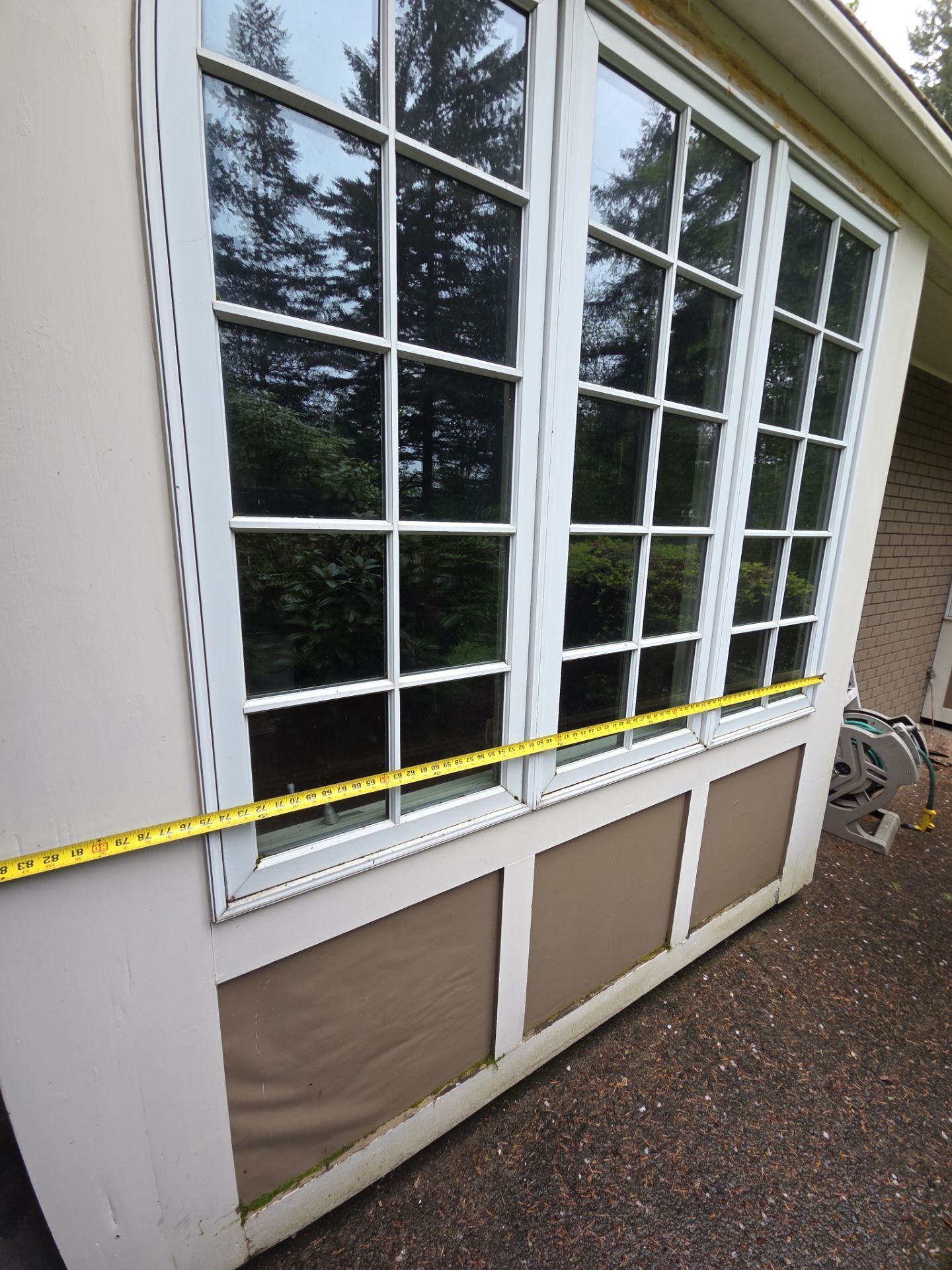
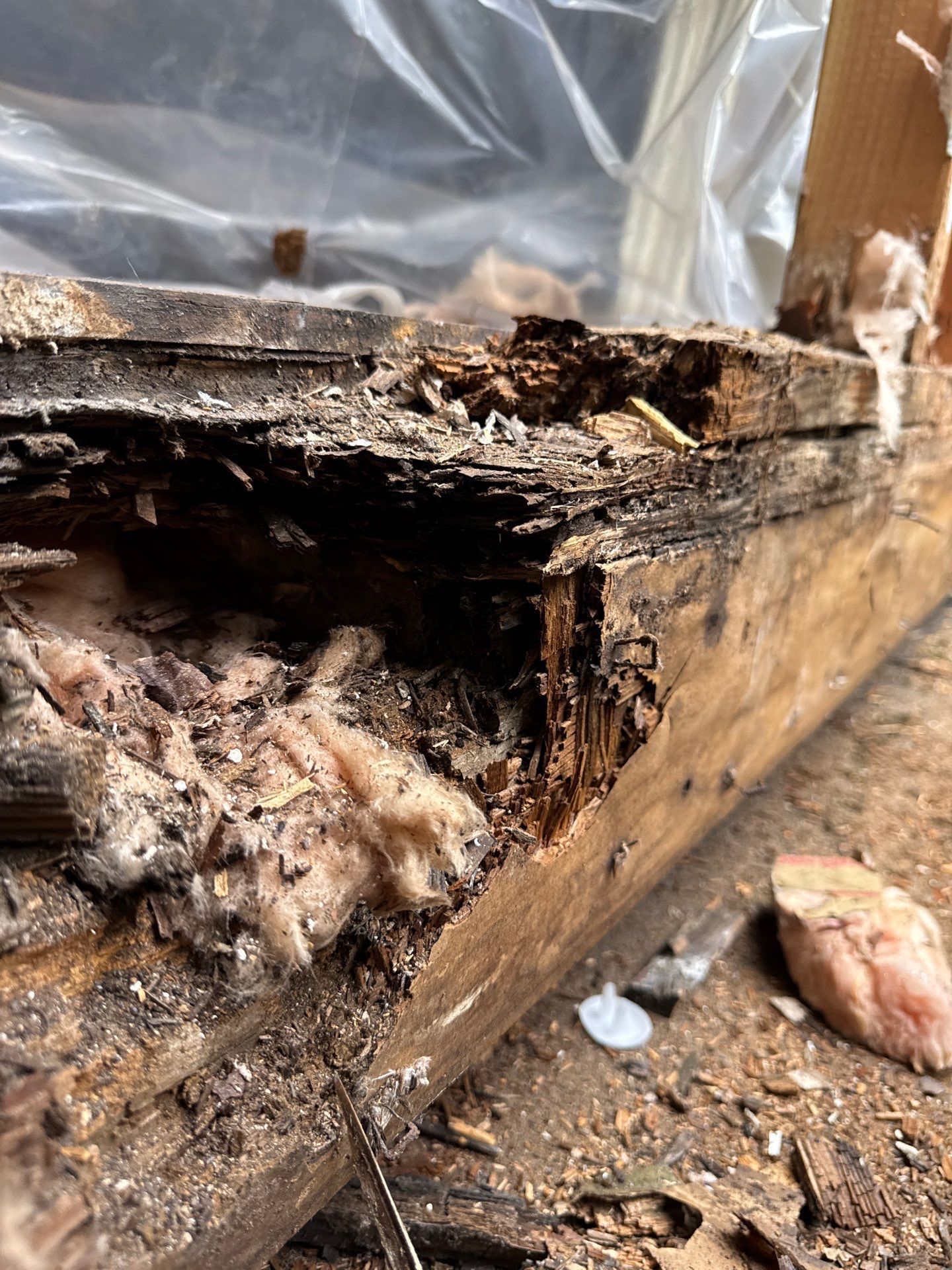
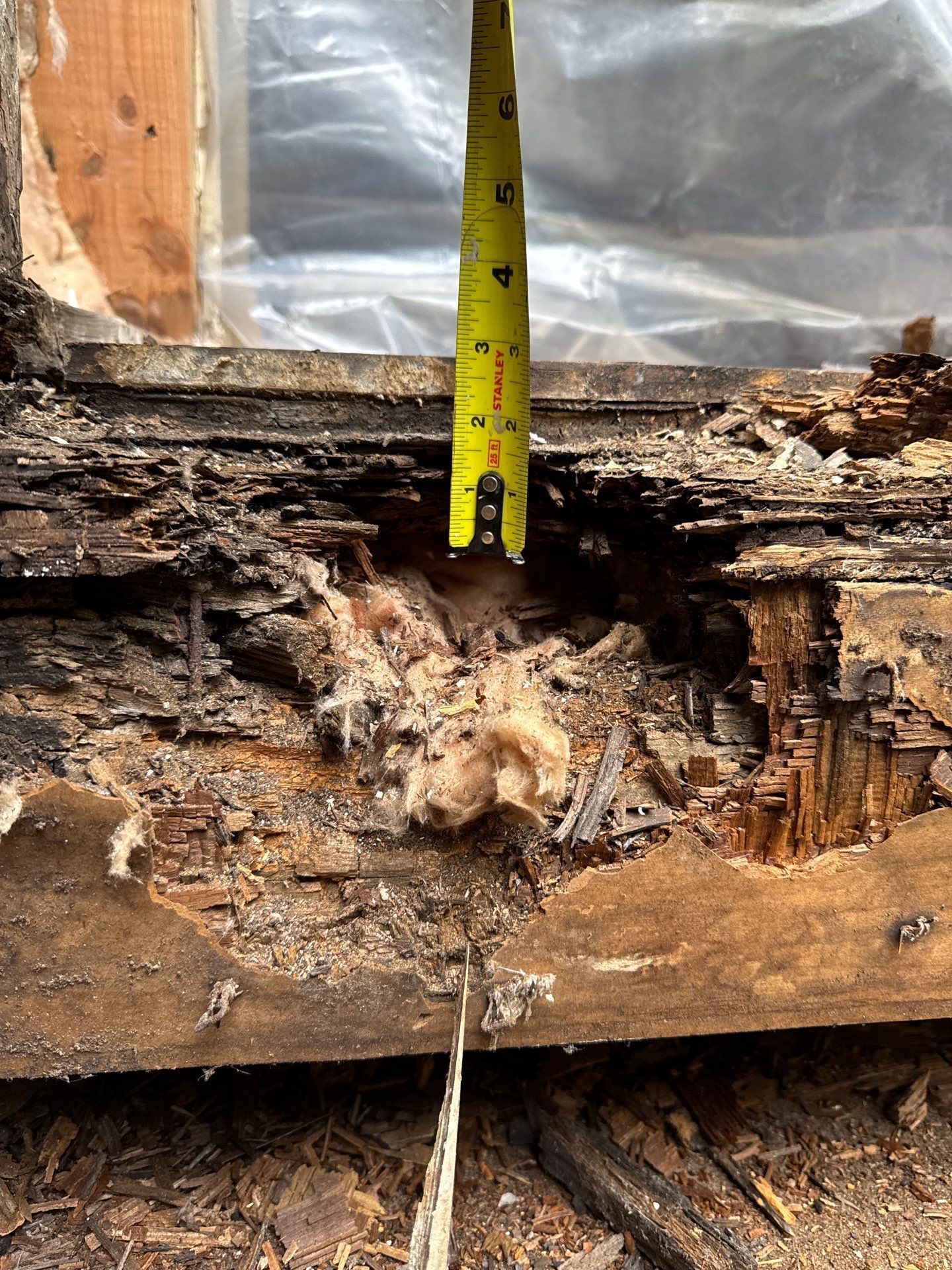
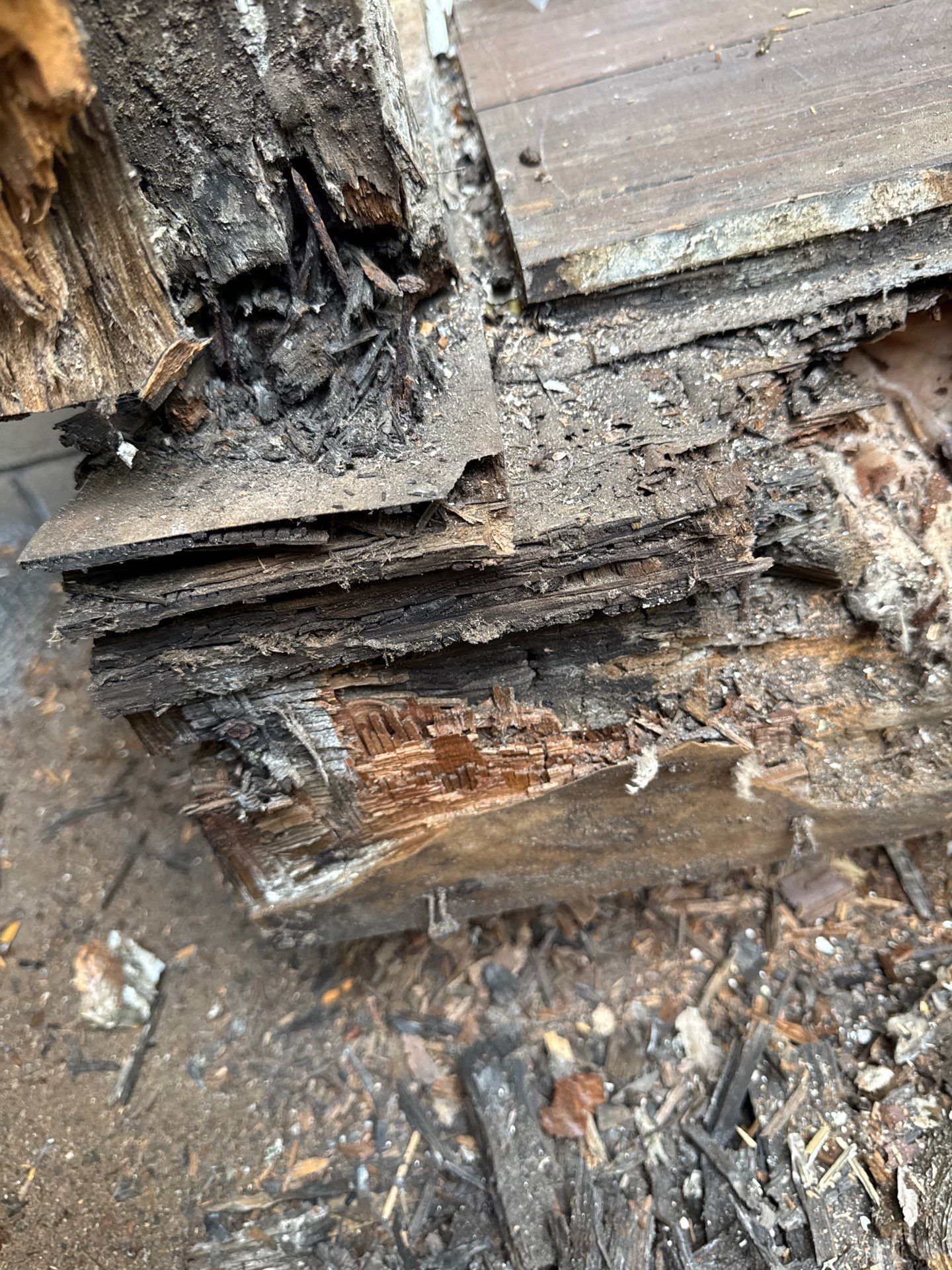
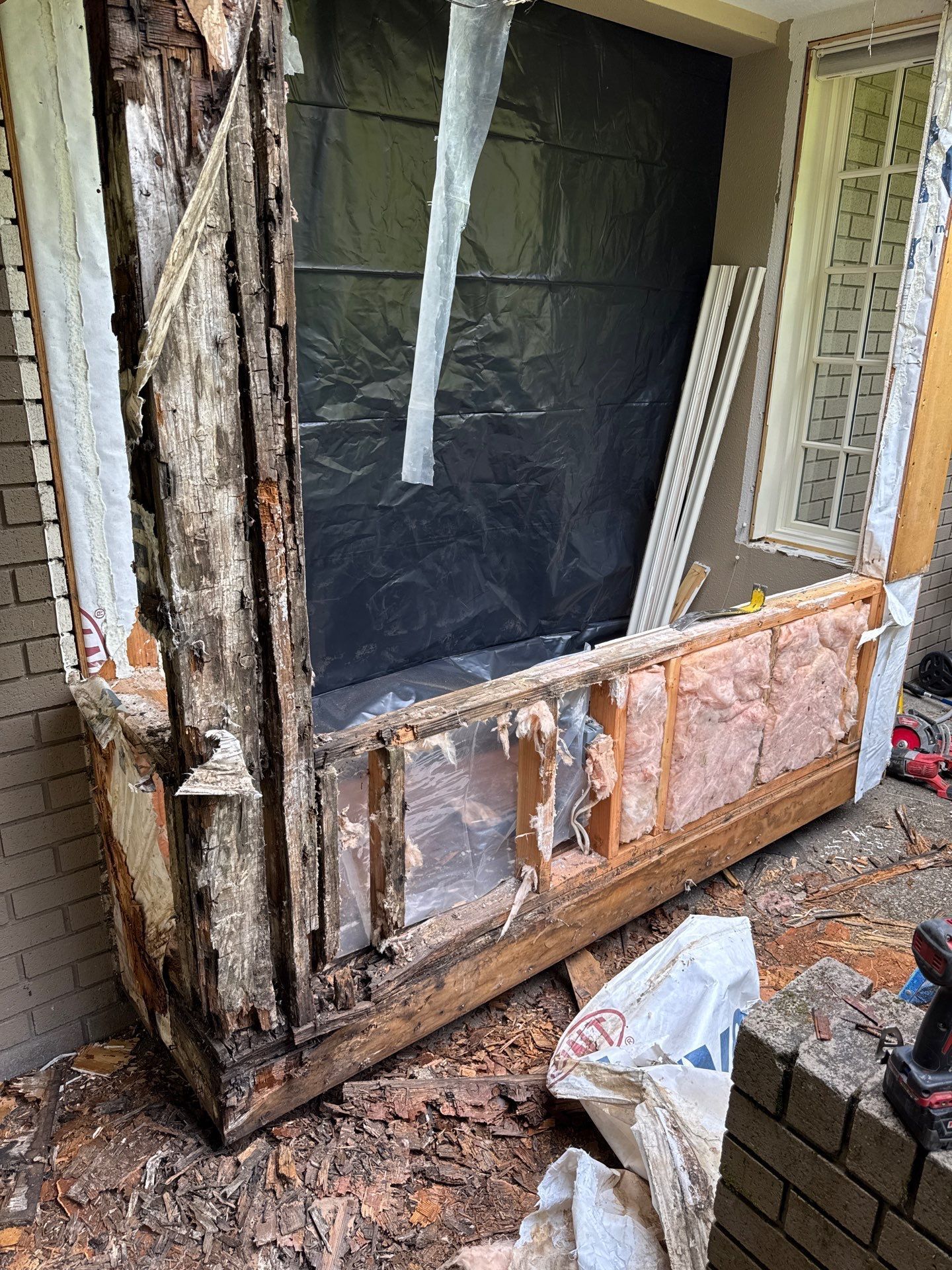
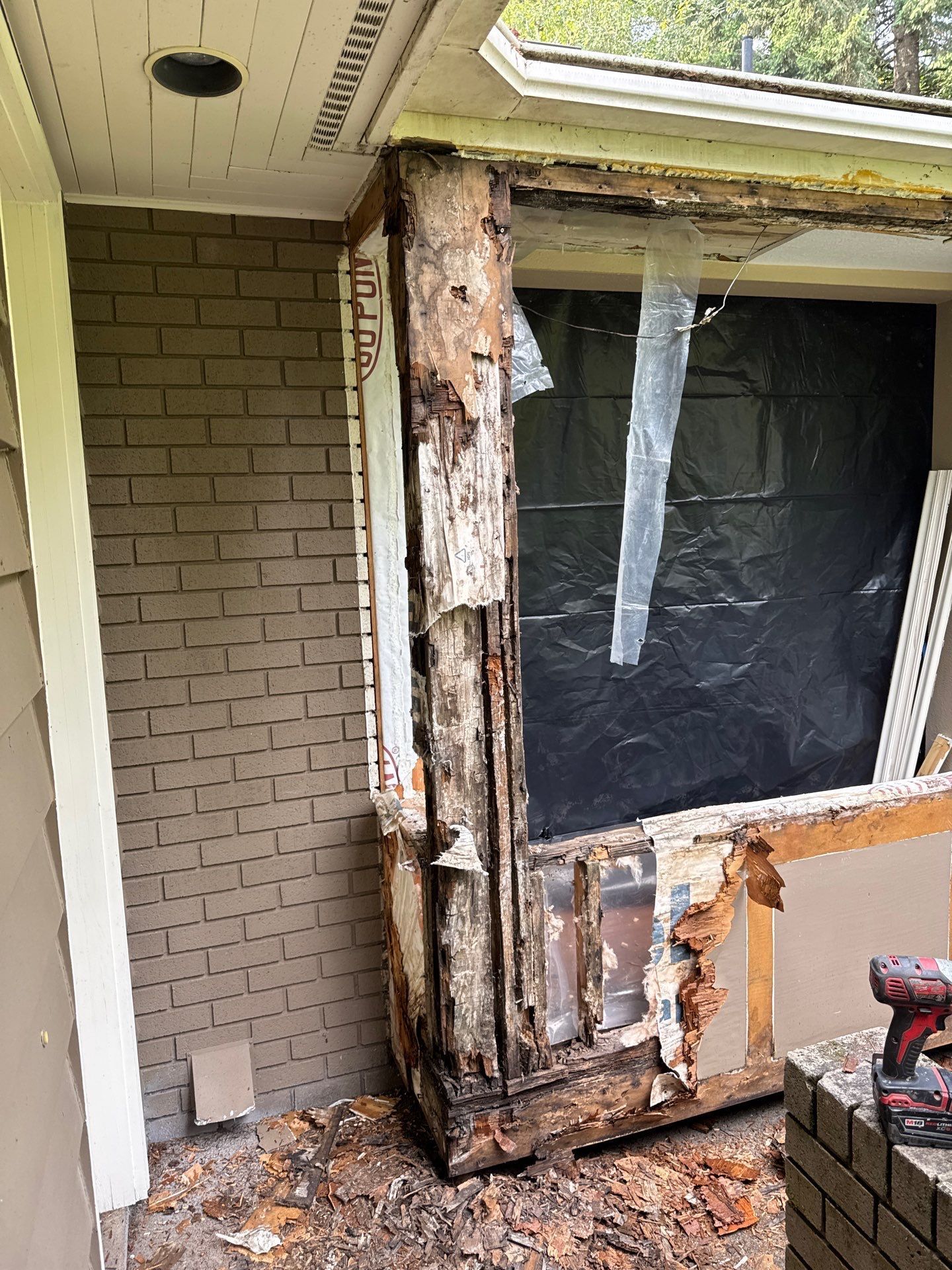
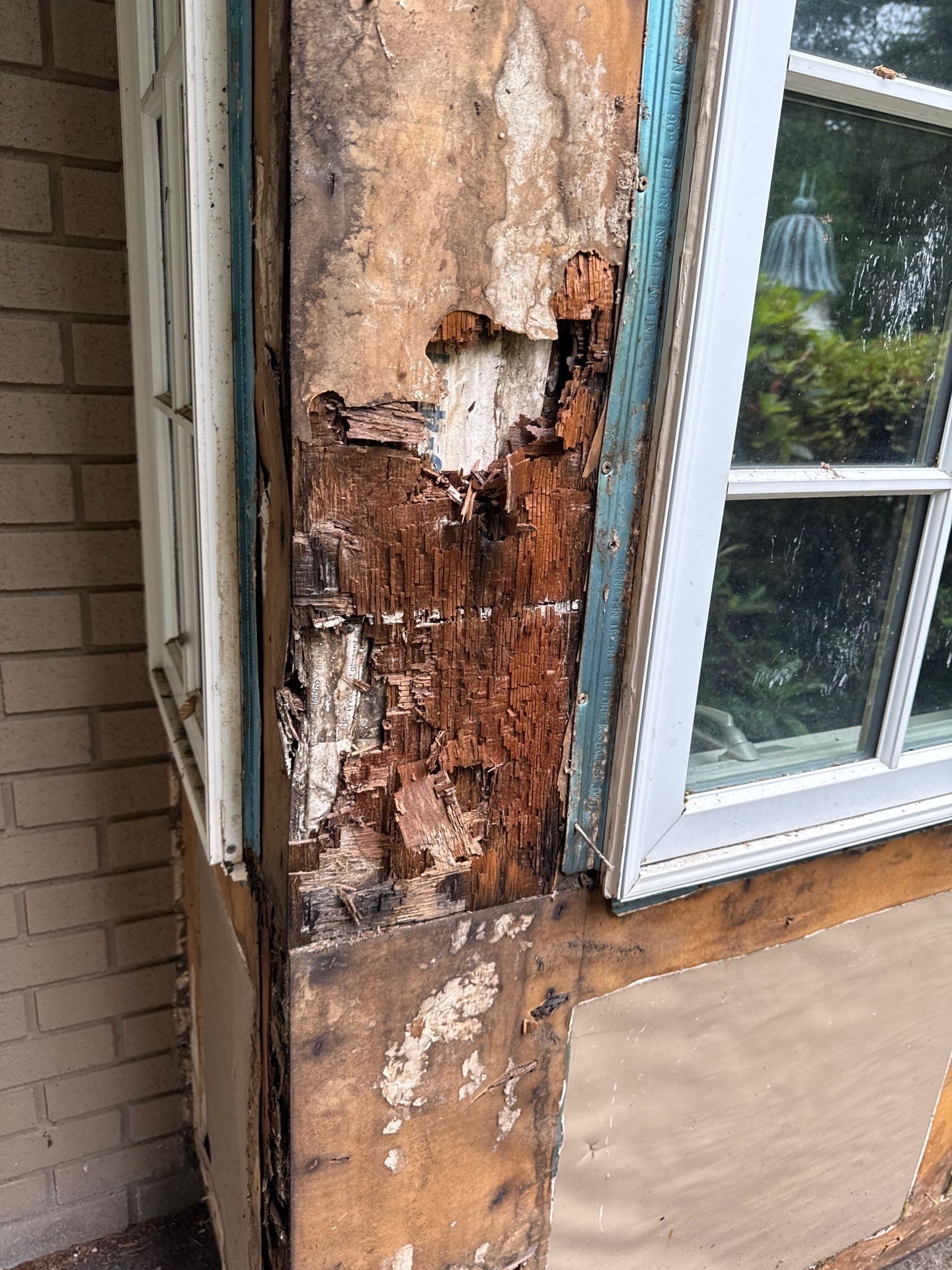
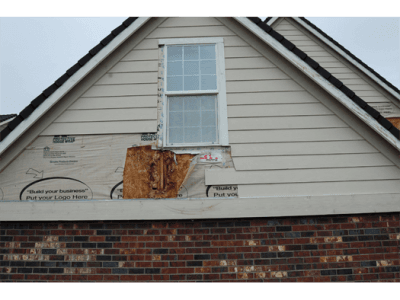
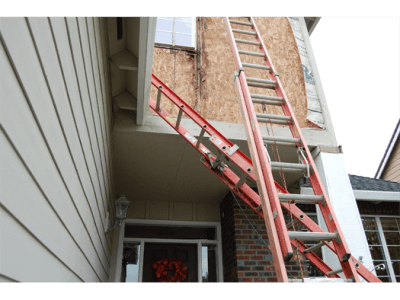
These windows didn't look too bad from the outside. But there were signs that told us to take a closer look.
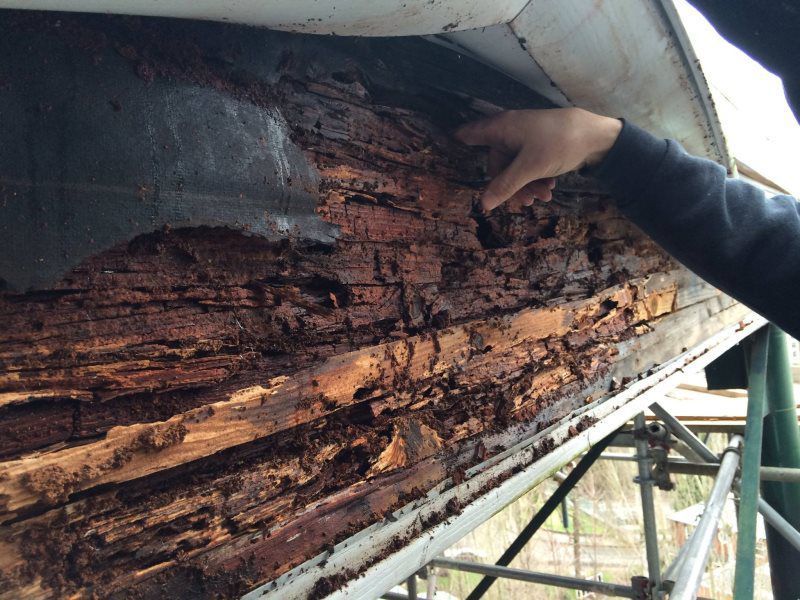
Once we peeled back the layers, we found what was happening underneath.
Unfortunately, this is something we encounter often. Window installation involves much more than the window itself—the flashing, weather barrier and other layers need to work together in the right sequence to move water away from the home. When they don't, moisture can find its way behind the siding and cause damage that stays hidden for years.
This is why sometimes the only way to know what's really going on is to look beneath the surface.